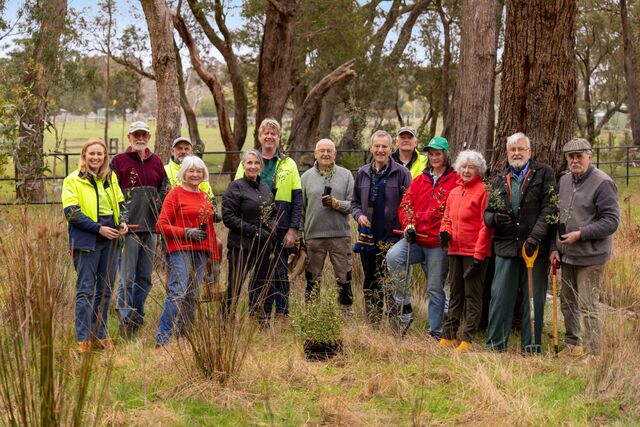
A group of Woodend over-50s are helping to protect and regenerate one of Australia’s rarest and most endangered trees, only found in their town in Victoria, by planting more than 1250 new tubestock over the past five years.
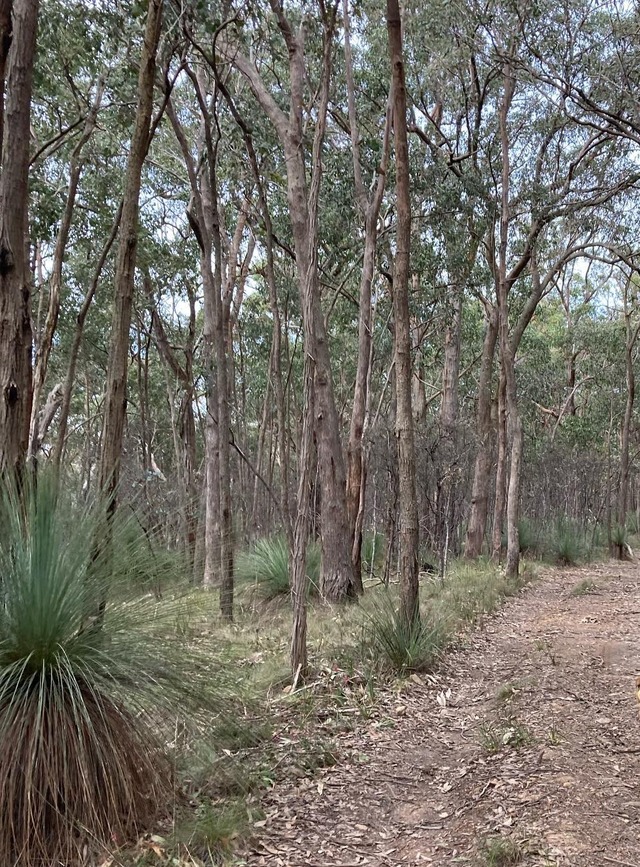
Residents of GemLife Woodend, led by resort manager Tony Liversidge, have embraced a conservation program to bolster their community’s 340-strong black gum (Eucalyptus aggregata) population, some of which are more than 100 years old.
In Victoria, the trees only grow within a four-kilometre radius of Woodend, with their community accounting for about 10 per cent of the state’s total population and its largest on private land.
Other sites are under threat from weeds, grazing, drought and soil compaction.
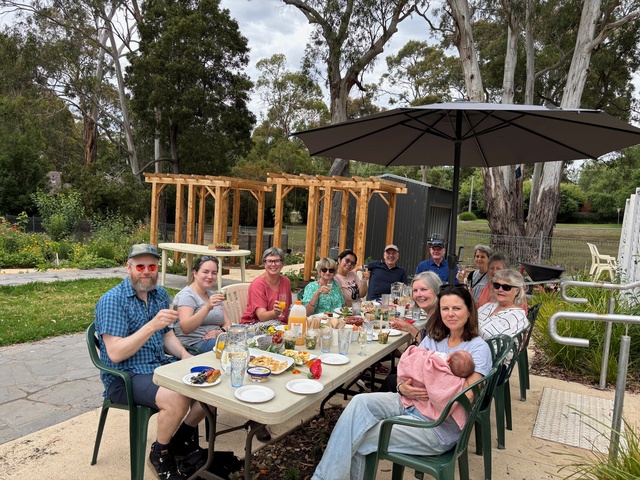
More than a dozen residents took part in this year’s annual spring revegetation, helping plant tubestock, including 250 black gum, along with other native species and grasses.
Mr Liversidge said revegetation was starting to ‘take-off’, with the trees growing well – although, it would take at least a decade to become sizeable and 50 years to start reaching maturity, classified as when a tree reaches 50cm in diameter.
“We’re working hard to improve and expand the number of black gums we have,” he said.
“Residents are invited to participate, and we had a good turn-out for this year’s planting. As more people have moved into the community, we’ve seen more taking an interest, as we head in the one direction — to beautify the forest and help preserve these rare trees.”
As the first resident to move into GemLife Woodend, and with a background in horticulture, Danny Green has been committed to the program from the start, clearing weeds like broom, gorse and blackberry, before revegetation began.
“Anything as unique as the black gum needs to be preserved and, if we keep the revegetation program going, we’ll achieve that,” he said.
Sundew Ecological Services principal ecologist Katherine Smedley oversees the program, tagging and tracking the black gums, protected under federal and state legislation.
She said revegetation had seen the woodland undergo a ‘reset’, from being overwhelmed by weeds to returning to its indigenous state.
“We’ve been slowly reintroducing native shrubs, which are increasing the habitat and protecting the trees by providing almost a ‘woolly jumper’ that lessens the impact of wind and heat,” she said.
The aim was a 90 to 95 per cent planting success rate to keep the population healthy.