
Premier Jacinta Allan and Health Minister Mary-Anne Thomas have released the final Bridging the Gender Pain Gap report.
Shaped by the experiences of 13,000 women and girls aged between 12 and 79 – as well as their carers, clinicians, and peak bodies – the report revealed gender health gaps, experiences of medical bias, sexism and misogyny and feelings of being ignored or dismissed by clinicians.
“I want to thank the 13,000 Victorian women who’ve made this possible – it’s because of you that we’ll be able to create generational change to our health system,” Ms Thomas said.
The process also reaffirmed that chronic pain disproportionately impacts women, affects their daily lives, relationships, employment, and overall wellbeing, according to the state government.
The state government said they will be acting now, rolling out ‘green whistle’ pain relief, setting a statewide standard for women’s pain care, and supporting adolescents and girls with a special clinic in the Royal Children’s Hospital.
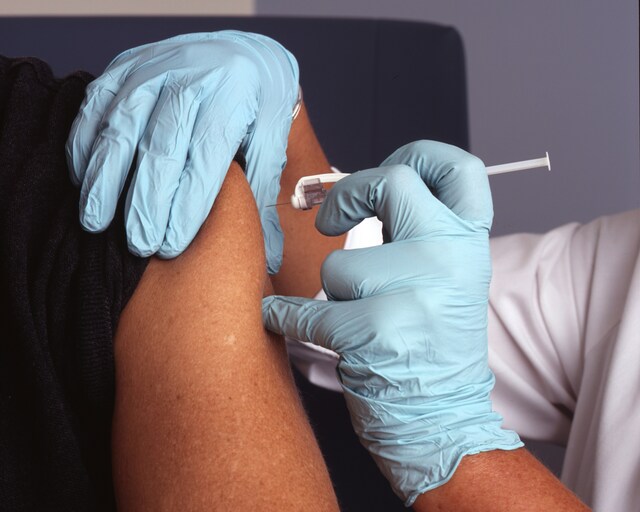
The green whistle is an inhaler-style device for pain relief and will provide women a level of control over their pain at the exact time they need it during Intrauterine Device (IUD) insertion or removal.
According to the state government’s findings, pain, and the fear of pain, is a barrier for IUD use.
The green whistle will now be rolled out to all 20 Sexual and Reproductive Health Hubs in the state, to increase uptake of IUDs and give women pain relief for this procedure.
The report found a number of key findings about women’s pain.
Experiences of pain and its impact:
– 90 per cent experienced pain lasting more than a year, and 54 per cent experience daily pain
– 89 per cent said pain impacted their mental health
– The most common conditions were menstrual and hormonal (40 per cent), endometriosis (26 per cent), and musculoskeletal problems (26 per cent).
Barriers to accessing care:
– 95 per cent sought assistance for pain
– 71 per cent cited widespread dismissal by healthcare professionals
– 68 per cent said the cost of seeking care is an obstacle
– Key areas of healthcare discrimination include gender identity, race, disability and weight.
From the data, the report lays out five key areas of concerns: unmet healthcare needs, gaps in research and presentation, gender bias in healthcare, barriers across communities – and the need for change.
The final report marks a turning point in women’s healthcare in Victoria. While work begins on lasting, systemic change – in line with its 27 recommendations – the state government has said it will act now to close the gender pain gap sooner.
The state government will also set a Women’s Pain Standard across the health system.
The standard will be created in consultation with clinicians, experts and women – it will apply to all public hospitals and health services over time, starting with hubs and clinics.
Once in place, the Women’s Pain Standard will support the consistent delivery of high quality pain counselling and relief starting with common gynaecological procedures like IUD insertion.
The inquiry also found that too many adolescents and girls across Victoria are experiencing pelvic pain – often facing barriers and delays in diagnosis and treatment which can become chronic or complex if left unaddressed.
The state government will deliver targeted support for young Victorians, by establishing a children and adolescent clinic within the Royal Children’s Hospital, as part of the network of 20 Women’s Health Clinics.
The new clinic will focus on sexual and reproductive health and pain conditions such as endometriosis in young people up to the age of 18 and will open in 2026.
The clinic will also work with Local Health Service Networks to set up clear referral pathways for regional patients.
One of the key recommendations from the report was a Women’s Pain Action Plan, to set clear goals and respond to the findings of the Inquiry. The state government will develop this over the next six months in consultation with women.
The report’s recommendations will also guide systemwide improvements in future years to ensure women’s pain is recognised, understood, and properly treated.
“It’s time we stop hearing that our pain doesn’t exist,” Ms Allan said.
“These tangible steps will improve the lives of women and girls everywhere. The RCH clinic is going to be life changing – because when young girls face delays in diagnosis and treatment, it can affect them permanently.”
Details: health.vic.gov.au/inquiry-into-womens-pain