A diabetic driver who ploughed through a beer garden, killing five people, will have to give evidence at an inquest despite his objections.
William Swale, 68, was initially charged with 14 offences, including five counts of culpable driving causing death, over the November 2023 crash in Daylesford in central Victoria.
But a magistrate struck out all of the charges in 2024 after finding his actions were involuntary.
A coroner will now investigate the deadly crash, with the Mount Macedon man among the dozens of witnesses called to give evidence.
He formally objected to that course in December, with his barrister Dermot Dann KC telling the court it would be prejudicial for his client.
However, coroner Dimitra Dubrow on Wednesday found it was in the interest of justice for Mr Swale to give evidence at the inquest.
Mr Swale, a type-1 diabetic, suffered a severe hypoglycaemic episode while behind the wheel and crashed into patrons seated outside the Royal Daylesford Hotel at 6.07pm on November 5.
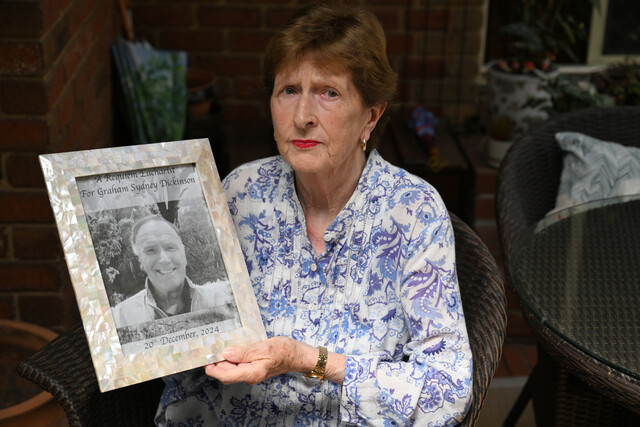
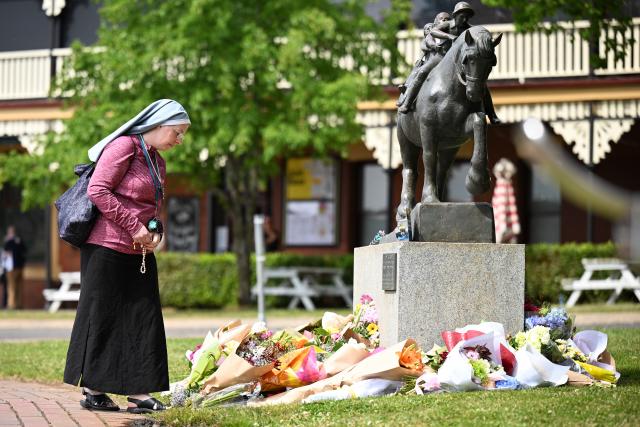
Pratibha Sharma, 44, her daughter Anvi, 9, and partner Jatin Kumar, 30, their friend Vivek Bhatia, 38, and his son Vihaan, 11, were all killed, while six others were injured.
Prosecutors alleged Mr Swale had ignored warning signs about his declining glucose levels and was negligent in driving from 5.36pm that evening.
Magistrate Guillaume Bailin dismissed the case, finding Mr Swale was already suffering a severe hypoglycaemic episode at that time so his actions were involuntary.
Victoria’s Director of Public Prosecutions chose not to directly indict Mr Swale because the expert evidence had deprived any reasonable prospects of a successful prosecution.
But Mr Dann argued Mr Swale’s evidence at the inquest could lead prosecutors to reformulate their case and file fresh charges.
Ms Dubrow accepted Mr Swale could face a direct indictment on a differently framed case but said the risk of that happening was “relatively low” .
The coroner said she would give Mr Swale a certificate, which would prevent prosecutors from using his evidence against him in any future criminal proceedings.
She also noted Mr Swale would be able to retain his right to silence if prosecutors decided to file a direct indictment.
Ultimately, Ms Dubrow found it was in the interest of justice for Mr Swale to give evidence at the inquest because his recollection was of “critical importance”.
The coroner said Mr Swale was yet to provide a fulsome account of what happened on November 5.
The evidence of his actions and diabetic management would inform the findings on the circumstances of the fatal crash and any prevention recommendations, Ms Dubrow said.
The inquest is due to be held in March.